For years I have been aware of my impact on the environment, and I consume responsibly by preferring to make things myself rather than buying ready-made.
I grew up on the Mediterranean coast and seeing plastic waste washed up on the beach probably contributed to developing my Green awareness.
I've tested quite a few things, first in the kitchen making my own yogurts, ice creams... then in the garden with a vegetable patch, a composter... and in the house with my cosmetics and cleaning products.
But 2020 was a landmark year for me because in January, I packed my backpack and set off on a year-long trip. I had to say goodbye to the unnecessary, focusing only on the essentials and reducing my luggage to 10kg.
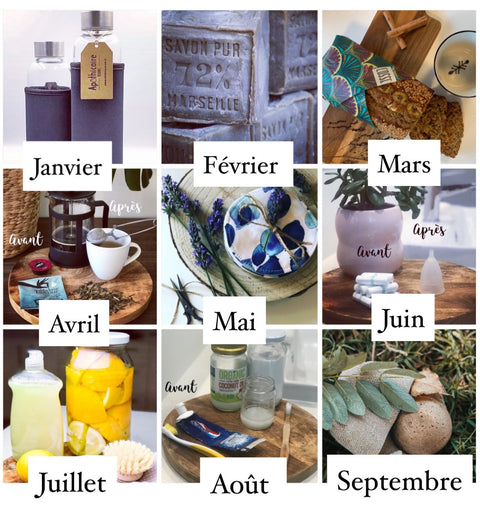
 No more plastic bottles, however convenient they may be when I'm out and about; I've switched to an insulated water bottle. This way, I'll have saved over a hundred plastic bottles by the end of the year – good for the environment, my wallet, and my health.
No more shower gels either, I switched to natural soap bars, and my skin is as clean and soft as before.
I no longer buy plastic or aluminum packaging thanks to a set of beeswax food wraps, also known as beeswax wraps. I have three in different sizes, which I wash and reuse to cover my leftover food. That's a lot of single-use plastic wrap that doesn't end up in the trash, before being incinerated or buried in our soil.
Then came the pandemic and the lockdown, the shortages of everyday consumer goods in stores, the moment when we all had to learn to do with less, and when I realized the scale of the problem. Now is the time to become aware of our impact on the environment and our health, and to change our consumption habits towards a more mindful and responsible lifestyle.
We adapt our consumption... we buy in bulk rather than over-packaged, we stop using capsule coffee for example, which is very expensive and not recyclable.
Then in the bathroom, I made the choice to no longer use cotton pads to remove makeup, but a Konjac sponge which I wash regularly in boiling water and washable wipes which go in the washing machine, saving 1200 cotton pads per year.
Disposable sanitary products are also a thing of the past; I've adopted a menstrual cup, saving over 200 tampons and 50 euros over a year.
In the kitchen, I finally found a suitable dishwashing liquid recipe, and replaced the sponge with a wooden and horsehair brush, and a tawashi made from an old t-shirt.
I haven't bought any more toothpaste, which isn't recyclable, and I alternate brushing with water and a mixture of coconut oil and baking soda. My teeth are spotless.
This transition hasn't been smooth sailing; not all tests have been successful. I've had quite a few setbacks over the years, including the recent shampoo failure. I also tried the no-poo method, but I haven't found the perfect recipe, so for me, the next step is solid shampoo with an apple cider vinegar rinse.
Even though I'm not perfectly zero waste, I do my best day after day, I feel freer because I have fewer needs and I've made a lot of savings so far, without really feeling deprived.
If you too would like to embark on the Zero Waste adventure, find our selection of eco-friendly and reusable products HERE.
Don't forget that there are no small gestures when millions of people are doing them.