1. Introduction
Ah, composting is like preparing a delicious meal for your plants, or for your worms if you have a worm composter! But what do they eat? Follow me to discover best practices and tips for an odor-free composter.
2. What is Compost?
Imagine a feast for microorganisms and earthworms. Compost is a kind of gourmet meal for the garden, created by recycling organic waste such as kitchen scraps and fallen leaves. It's natural magic that transforms waste into rich, fertile soil. Furthermore, since January 1, 2024, we are legally required by the Biodegradable Waste Law to compost our green waste.
3. What foods can I compost?
3.1 Fruit and Vegetable Peelings
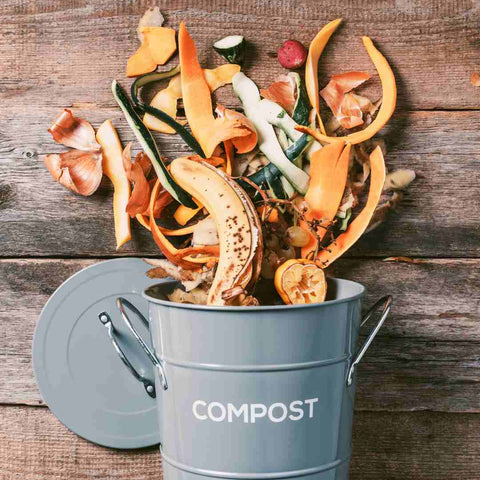
Nothing beats peelings for giving your compost a special flavor. They are packed with essential nutrients.
3.2 Coffee Grounds
Used coffee beans are a treat for the microorganisms in your compost . They add a touch of caffeine to your soil.
3.3 Dry materials (cardboard, dead leaves, egg cartons)
Fallen leaves are like cozy blankets for your compost, keeping it warm and well-aerated. You can also compost dry materials such as paper towels, cardboard, or egg cartons. This will help balance the moisture in your composter and promote air circulation.
4. What foods cannot I compost?
4.1 Meat and Fish
Forget about leaving steak or fish scraps. They can make your compost smelly and attract unwanted visitors. You can make broth with the carcass and throw the leftovers in the regular trash.
4.2 Dairy Products
Milk belongs in your refrigerator, not your compost bin . It can cause odor problems. You can pour leftover milk or yogurt down the sink; it's ideal for maintaining the bacteria in your septic tank.
4.3 Citrus fruits
Their peel is thick and they decompose slowly; plus, citrus fruits can acidify your compost, which isn't ideal. You can put your citrus peels in white vinegar to scent your cleaning products.
The same goes for garlic and onions; they decompose very well in a compost bin, but they are too acidic for the worms in a vermicomposter.
4.4 Plastic Waste
Plastics don't decompose, obviously, and they don't belong in a compost bin. Beware of packaging labeled "compostable"—it isn't always!
5. Composter Odorless for apartments
An odorless composter ? Yes, it's possible! The LFC compost kit is ideal for composting almost all your food scraps, as this sealed bag contains a substrate made from charcoal and coconut fiber. It absorbs odors and naturally aids in decomposition. I've been using it for over two years and I've never had any odors or insects. It's the most practical of all the solutions I've tried.
7. The Stages of Composting
1. Waste Collection:
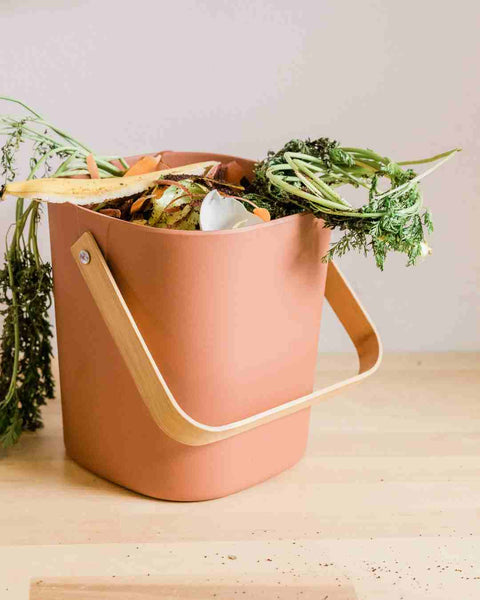
Collect your kitchen and garden waste. You can use a compost bucket in the kitchen that you empty regularly.
2. Layering:
Alternate wet and dry materials to promote decomposition.
3. Ventilation:
Mix regularly to provide essential oxygen.
4. Patient Waiting:
Let nature do its work for a few weeks to a few months. Composting takes time.
8. The Importance of Balance
Maintaining a balance between carbon-rich waste (dry leaves) and nitrogen-rich waste (kitchen scraps) is key. Too much of either can disrupt the composting process.
9. Easy Compost Maintenance
You don't need to be a mad scientist to maintain your composter. Simply keep an eye on the moisture level, the size of the waste, and the frequency of aeration.
10. Composting and Gardening
Is your compost ready? Congratulations! It's time to add it to your garden. Your plants will thank you with blooming flowers and delicious vegetables.
There you have it, you now have the basics for a thriving compost bin. The secret lies in balance, choosing the right waste, and a well-designed composter. So, embark on this green adventure and let me know how it goes!